


Hey there! As a supplier of Anti Slip Dotting Machines, I often get asked about the materials these machines can process. So, I thought I'd share some insights on this topic.
First off, let's talk about the most common materials that our Anti Slip Dotting Machines can handle. One of the primary materials is fabric. This includes all sorts of fabrics like cotton, polyester, nylon, and blends. Whether it's for making anti - slip socks, work gloves, or other textile products, our machines can create those essential anti - slip dots on the fabric surface.
For example, when it comes to socks, the Men‘s Socks Dotting Machine is a great choice. It can precisely apply anti - slip dots on men's socks made from various fabrics. These dots not only enhance the grip but also add a unique texture to the socks. The machine uses advanced technology to ensure that the dots are evenly distributed and firmly attached to the fabric, so they won't easily come off during use.
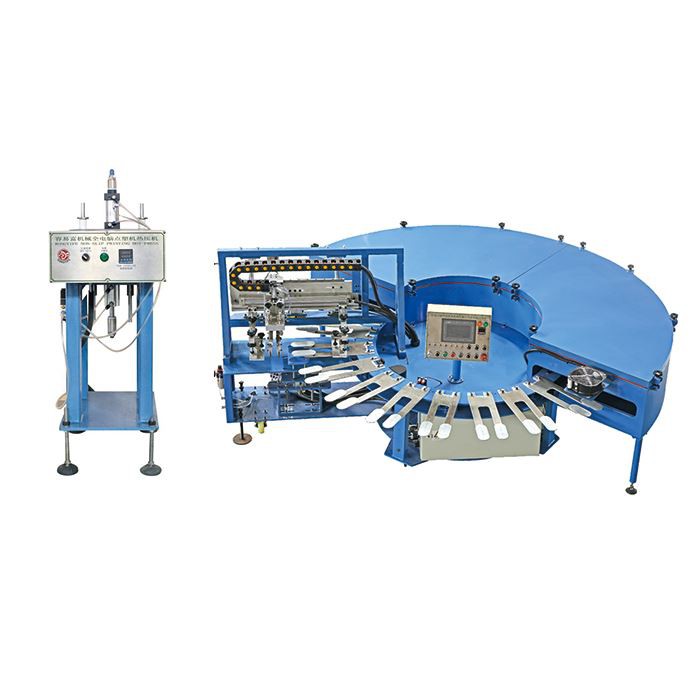

Another material that our machines can process is rubber. Rubber is widely used in industries where anti - slip properties are crucial, such as in the production of safety shoes, industrial mats, and rubber gaskets. Our Anti Slip Dotting Machines can create small, raised dots on rubber surfaces. These dots increase the friction between the rubber and the contact surface, reducing the risk of slipping. The process is quite efficient, and we can customize the size and pattern of the dots according to the specific requirements of our customers.
Leather is also on the list of materials that our machines can work with. Leather products like wallets, belts, and even some high - end shoes can benefit from anti - slip dotting. The Non Slip Printing Machine can be used to add anti - slip dots to leather in a very precise and aesthetically pleasing way. This not only improves the functionality of the leather products but also gives them a more modern and unique look.
Plastic is yet another material that our machines can handle. In the production of plastic products such as plastic trays, containers, and even some consumer electronics casings, anti - slip dots can be added to improve the usability and safety. Our machines can apply dots on different types of plastics, including polypropylene, polyethylene, and PVC. The dots are applied in a way that doesn't damage the plastic surface and provides long - lasting anti - slip performance.
Now, let's dive a bit deeper into the process of anti - slip dotting on these materials. The first step is to prepare the material. This might involve cleaning the surface to ensure good adhesion of the dots. Then, the material is loaded onto the machine. Our machines are equipped with user - friendly control panels, which allow operators to set parameters such as dot size, spacing, and pattern.
Once the parameters are set, the machine starts the dotting process. It uses a special nozzle or printing head to apply the dotting material onto the surface. The dotting material can be a variety of substances, depending on the material being processed. For fabric, it could be a special ink or a polymer - based compound. For rubber and plastic, it might be a type of rubber - like adhesive.
After the dots are applied, the material goes through a curing process. This can be done through heat, UV light, or air - drying, depending on the type of dotting material used. The curing process ensures that the dots are fully hardened and firmly attached to the material.
One of the great things about our Anti Slip Dotting Machines is their versatility. They can be easily adjusted to process different materials and different sizes of products. Whether you're a small - scale manufacturer or a large - scale industrial producer, our machines can meet your needs.
For those who are in the business of making socks, the Socks Ink Dotting Machine is a must - have. It offers high - speed dotting and can handle a large volume of socks in a short period. The ink used in this machine is of high quality, ensuring that the dots are vivid, durable, and wash - resistant.
In addition to the materials I've mentioned above, our machines can also process some specialty materials. For example, some technical fabrics that are used in sports equipment or outdoor gear can be treated with anti - slip dots. These fabrics often have special properties, such as moisture - wicking or breathability, and our machines can add anti - slip functionality without compromising these properties.
If you're thinking about upgrading your production line or starting a new business that involves anti - slip products, our Anti Slip Dotting Machines are a great investment. They are reliable, easy to operate, and can significantly improve the quality and functionality of your products.
We understand that every customer has different needs, so we offer customization services. Whether you need a specific dot pattern, size, or want to process a unique material, our team of experts can work with you to find the best solution.
So, if you're interested in learning more about our Anti Slip Dotting Machines or want to discuss your specific requirements, don't hesitate to reach out. We're always here to help you take your production to the next level. Contact us today to start the conversation and explore how our machines can benefit your business.
References
- Textile Industry Handbook: Covers general information about fabric processing and anti - slip technologies.
- Rubber and Plastic Manufacturing Manual: Provides details on working with rubber and plastic materials.
- Leather Goods Production Guide: Offers insights into leather treatment and enhancement techniques.


