


Hey there! As a supplier of Pvc Gloves Dotting Machines, I often get asked about what kind of raw materials are suitable for these machines. Well, let's dive right in and explore this topic together.
Understanding the Basics of PVC Gloves Dotting Machines
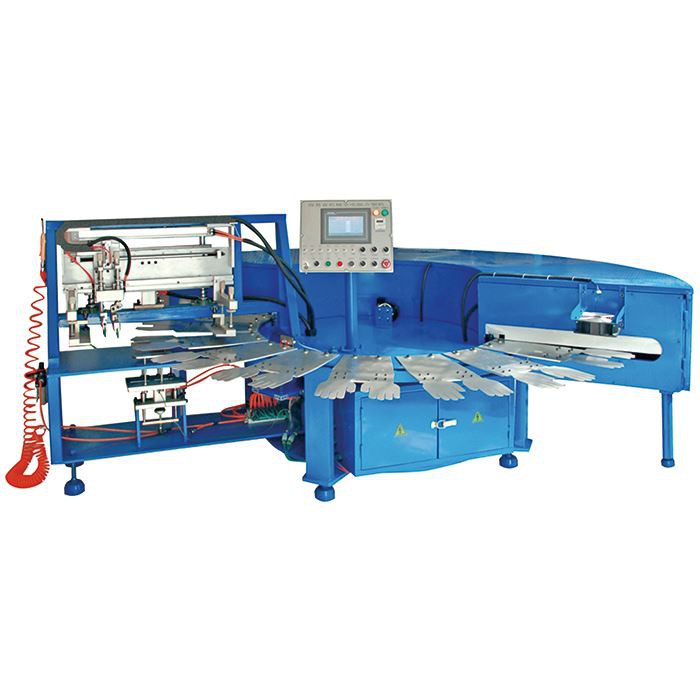
Before we talk about the raw materials, let's quickly understand what a PVC Gloves Dotting Machine does. It's a piece of equipment that adds dots or patterns onto PVC gloves, which can enhance the grip and aesthetics of the gloves. There are different types of these machines, like the Auto Rotary Steam Gloves Dotting Machine, PVC Gloves Dotting Machine, and Multicolor Dotting Machine Glove. Each type has its own features and can work with various raw materials.
Key Raw Materials for PVC Gloves Dotting Machines
PVC Resin
PVC resin is the primary raw material for making PVC gloves in the first place, and it's also crucial for the dotting process. There are different grades of PVC resin available, and the choice depends on the quality and properties you want for your gloves. High - quality PVC resin can ensure that the gloves are durable, flexible, and have good chemical resistance. It also affects how well the dots adhere to the gloves during the dotting process.
For example, some PVC resins have better heat - stability, which is important because the dotting process may involve some heat. If the resin can't withstand the heat, it might cause the gloves to deform or the dots to come off easily.
Plasticizers
Plasticizers are added to PVC resin to make the gloves more flexible. Without plasticizers, PVC gloves would be hard and brittle. The most commonly used plasticizers for PVC gloves are phthalate - based plasticizers, although there's been a growing trend towards using non - phthalate plasticizers due to environmental and health concerns.
The type and amount of plasticizer used can also impact the dotting process. If too much plasticizer is used, the surface of the gloves may be too soft, and the dots may spread or not hold their shape properly. On the other hand, if too little plasticizer is used, the gloves may be too stiff, making it difficult to apply the dots evenly.
Stabilizers
Stabilizers are essential to prevent the PVC resin from degrading during processing and use. They can protect the PVC from heat, light, and oxidation. There are different types of stabilizers, such as lead - based stabilizers, calcium - zinc stabilizers, and organic tin stabilizers.
In the context of the dotting process, stabilizers help maintain the integrity of the PVC material. If the PVC degrades during dotting, it can lead to poor dot quality, like uneven dots or dots that don't bond well with the glove surface.
Pigments
Pigments are used to give color to the dots on the gloves. They can be either organic or inorganic pigments. Organic pigments offer a wide range of bright and vibrant colors, while inorganic pigments are more heat - resistant and durable.
When choosing pigments for the dotting process, you need to consider their compatibility with the PVC resin and other additives. They should also be able to withstand the processing conditions of the dotting machine, such as heat and pressure.
Dotting Compounds
The actual material used to create the dots is called the dotting compound. This compound is usually a mixture of polymers, additives, and sometimes solvents. The polymers in the dotting compound are responsible for forming the dots and adhering them to the glove surface.
The viscosity of the dotting compound is a critical factor. If the viscosity is too high, the compound may not flow easily through the nozzles of the dotting machine, resulting in clogged nozzles or uneven dots. If the viscosity is too low, the dots may spread too much and not hold their shape.
Factors to Consider When Selecting Raw Materials
Compatibility
All the raw materials used in the PVC gloves dotting process need to be compatible with each other. For example, the dotting compound should be compatible with the PVC resin and the additives used in the gloves. If there's no compatibility, it can lead to issues like delamination of the dots, poor adhesion, or chemical reactions that can damage the gloves.
Quality and Purity
The quality and purity of the raw materials directly affect the quality of the final product. High - quality raw materials can result in gloves with better dot quality, longer lifespan, and fewer defects. Impurities in the raw materials can cause problems during the dotting process, such as clogging of the machine or inconsistent dot formation.
Cost - Effectiveness
Cost is always a consideration in any manufacturing process. You need to balance the quality of the raw materials with their cost. Sometimes, a slightly lower - quality raw material may be acceptable if it can still meet the basic requirements of the product and save on costs. However, you need to be careful not to sacrifice too much quality, as it can lead to higher production costs in the long run due to more defects and lower customer satisfaction.
Tips for Working with Different Raw Materials
Testing
Before using a new batch of raw materials, it's a good idea to conduct some tests. You can make a small sample of gloves using the new raw materials and run them through the dotting machine. Check the quality of the dots, their adhesion, and the overall quality of the gloves. This can help you identify any potential problems early on and make adjustments if necessary.

Storage
Proper storage of raw materials is crucial. PVC resin, plasticizers, and other additives should be stored in a cool, dry place away from direct sunlight and heat. Pigments and dotting compounds should also be stored according to the manufacturer's instructions to maintain their quality.
Conclusion
In conclusion, choosing the right raw materials for a PVC Gloves Dotting Machine is a complex but important task. PVC resin, plasticizers, stabilizers, pigments, and dotting compounds all play vital roles in the process. Compatibility, quality, and cost - effectiveness are key factors to consider when selecting these raw materials.
If you're in the market for a PVC Gloves Dotting Machine or have questions about the raw materials, feel free to reach out for a consultation. We're here to help you make the best choices for your production needs and ensure high - quality output.
References
- "Handbook of PVC Formulating" by Edward J. Wickson
- "Plastics Additives: An A - Z Reference" by Geoffrey Pritchard


