


As a supplier of Cotton Glove Dotting Machines, I've had the privilege of closely examining these remarkable pieces of equipment. These machines play a crucial role in the glove manufacturing industry, adding dots or patterns to cotton gloves for various purposes, such as enhancing grip, improving aesthetics, and increasing durability. In this blog post, I'll delve into the main components of a Cotton Glove Dotting Machine, shedding light on how each part contributes to the machine's overall functionality.
1. Frame and Structure
The frame is the backbone of the Cotton Glove Dotting Machine. It provides a stable and rigid structure that supports all the other components. Typically made of high - quality steel or aluminum, the frame is designed to withstand the vibrations and forces generated during the dotting process. A well - constructed frame ensures that the machine operates smoothly and precisely, minimizing the risk of misalignment or damage to the components.
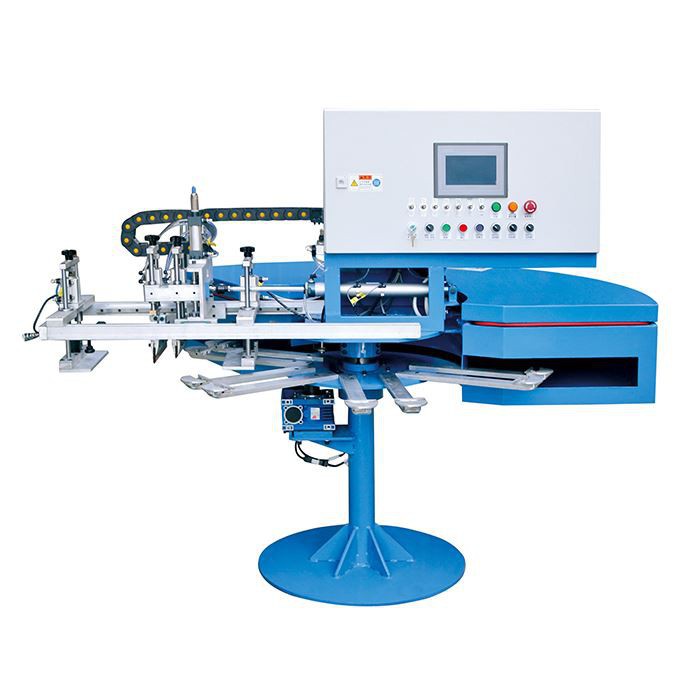
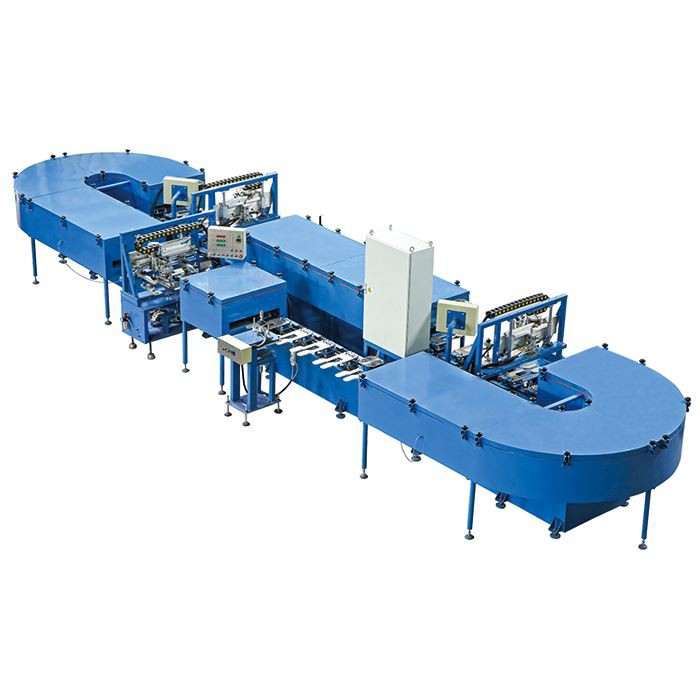
The frame also houses the various control panels, motors, and other electrical components. It is usually designed with easy access points for maintenance and repair. For example, some frames have removable panels that allow technicians to quickly reach the internal parts of the machine, reducing downtime in case of a malfunction.
2. Control System
The control system is the brain of the Cotton Glove Dotting Machine. It is responsible for regulating the speed, pressure, and timing of the dotting process. Modern dotting machines are often equipped with advanced programmable logic controllers (PLCs) that offer a high degree of flexibility and precision.
The control panel, which is part of the control system, allows operators to input specific parameters for the dotting operation. They can set the size, shape, and spacing of the dots, as well as the number of dots per glove. Some control panels also feature touch - screen interfaces, making it easier for operators to navigate through the settings and monitor the machine's performance in real - time.
In addition to the basic dotting parameters, the control system can also manage other functions, such as the feeding of gloves and the dispensing of the dotting material. It ensures that the entire process is synchronized, resulting in consistent and high - quality dotting on each glove.
3. Feeding Mechanism
The feeding mechanism is responsible for moving the cotton gloves through the dotting machine. It typically consists of a conveyor belt or a series of rollers that grip the gloves and transport them at a steady pace. The feeding mechanism must be precise to ensure that the gloves are properly positioned for dotting.
There are different types of feeding mechanisms depending on the design of the machine. Some machines use a single - lane feeding system, which is suitable for small - scale production or when a single type of glove is being dotted. Other machines have multi - lane feeding systems, allowing for higher production rates and the ability to dot multiple gloves simultaneously.
The feeding mechanism is also equipped with sensors that detect the presence and position of the gloves. These sensors communicate with the control system to ensure that the dotting process starts and stops at the correct times. For example, if a glove is not properly positioned, the sensor will send a signal to the control system to pause the machine until the issue is resolved.
4. Dotting Head
The dotting head is the most critical component of the Cotton Glove Dotting Machine as it is directly responsible for applying the dots to the gloves. It consists of a nozzle or a series of nozzles that dispense the dotting material, which is usually a type of rubber or plastic compound.
The design of the dotting head can vary depending on the type of dots being applied. For simple single - color dots, a basic dotting head with a single nozzle may be sufficient. However, for more complex patterns or multi - color dotting, a more advanced dotting head with multiple nozzles and a sophisticated dispensing system is required.
The dotting head is connected to a pressure system that controls the flow of the dotting material. The pressure must be carefully regulated to ensure that the dots are of the correct size and shape. Too much pressure can result in large, uneven dots, while too little pressure may cause the dots to be too small or not adhere properly to the gloves.
5. Drying System
After the dots are applied to the gloves, they need to be dried quickly to ensure that they adhere properly and do not smudge. The drying system is responsible for this process. It can use different methods, such as hot air drying or infrared drying.
Hot air drying uses a fan to blow hot air over the dotted gloves. The temperature and airflow can be adjusted to control the drying time. This method is relatively simple and cost - effective, but it may take longer to dry the gloves compared to other methods.
Infrared drying, on the other hand, uses infrared radiation to heat the dots directly. This method is faster and more energy - efficient as it heats the dots without heating the entire glove. However, it requires a more sophisticated system and may be more expensive to install and maintain.
The drying system is integrated with the control system to ensure that the drying process is synchronized with the dotting and feeding processes. It also has sensors to monitor the temperature and humidity, ensuring that the drying conditions are optimal for the dotting material.
6. Material Supply System
The material supply system is responsible for providing the dotting material to the dotting head. It consists of a storage tank, a pump, and a series of pipes or hoses. The storage tank holds the dotting material, which is usually a liquid or a semi - liquid substance.
The pump is used to transfer the dotting material from the storage tank to the dotting head. It must be able to maintain a consistent flow rate to ensure that the dots are of uniform size and quality. The pipes or hoses connect the storage tank to the dotting head and are designed to prevent leaks and blockages.
Some material supply systems are also equipped with filters to remove any impurities from the dotting material. This helps to ensure that the dots are clean and free of defects. Additionally, the system may have a level sensor in the storage tank to alert the operator when the material needs to be refilled.
Conclusion
In conclusion, a Cotton Glove Dotting Machine is a complex piece of equipment that consists of several main components working together to produce high - quality dotted gloves. The frame provides stability, the control system regulates the process, the feeding mechanism moves the gloves, the dotting head applies the dots, the drying system sets the dots, and the material supply system provides the necessary dotting material.
If you're in the market for a Cotton Glove Dotting Machine, we offer a wide range of options to suit your specific needs. Whether you're looking for a Single Color Gloves Dotting Machine, a Socks And Gloves Dotting Machine, or a Gloves Multicolor Dotting Machine, we have the expertise and the products to meet your requirements.
We encourage you to contact us to discuss your specific needs and start a procurement negotiation. Our team of experts is ready to assist you in finding the perfect Cotton Glove Dotting Machine for your business.
References
- "Textile Machinery Handbook", Various authors, Published by a leading textile machinery publishing house.
- Industry research reports on glove manufacturing and dotting machines.


