


Hey there! As a supplier of Computerised Dotting Machines, I'm super excited to share with you how to use these nifty machines for dotting with different dot sizes. Whether you're a newbie in the business or a seasoned pro looking to up your game, this guide is gonna be your go-to resource.
Understanding Your Computerised Dotting Machine
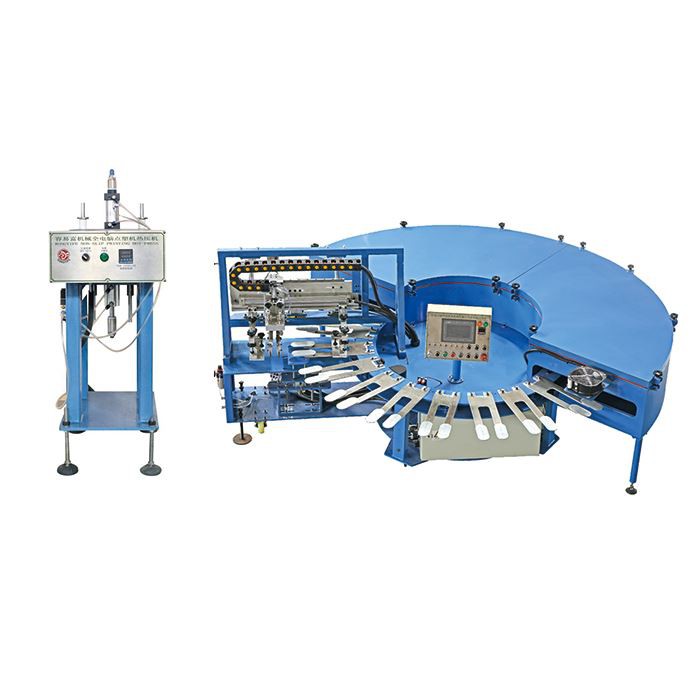
First things first, let's get familiar with the machine itself. A Computerised Dotting Machine is a high - tech piece of equipment that can precisely place dots of various materials like glue or ink on different surfaces. It's commonly used in industries such as textile, sock manufacturing, and handicrafts.
These machines usually come with a control panel where you can input different settings. The control panel is like the brain of the machine. It allows you to adjust parameters such as dot size, dot spacing, and the speed of dotting.
Preparing for Dotting
Before you start dotting, you need to do a bit of prep work. First, make sure your machine is clean and in good working condition. Check all the parts, especially the nozzle through which the dots are dispensed. A clogged nozzle can lead to uneven dots or no dots at all.
Next, select the right material for dotting. If you're using a Socks Glue Dotting Machine, for example, you'll need to choose the appropriate glue. The viscosity of the glue matters a lot. A too - thick glue may not flow smoothly through the nozzle, while a too - thin glue may spread too much and create larger dots than intended.
Also, prepare your workpiece. If it's a sock, make sure it's flat and properly positioned on the machine's working surface. Some machines come with fixtures or guides to help you position the workpiece accurately.
Adjusting Dot Sizes
Now, let's talk about the main event: adjusting dot sizes. On the control panel of your Computerised Dotting Machine, there are usually options to set the dot size. This can be done in different ways, depending on the model of your machine.
Some machines use a numerical value to represent the dot size. You can simply input the desired size, and the machine will adjust accordingly. For example, if you want a small dot, you'll enter a lower number, and for a larger dot, a higher number.
Other machines may have a slider or a dial that you can turn to increase or decrease the dot size. As you adjust the slider, you can see a preview of the dot size on the control panel's display.
It's a good idea to do some test runs on a scrap piece of material. This way, you can see how the actual dot size looks and make any necessary adjustments. Start with a medium - sized dot and gradually increase or decrease it until you get the perfect size for your project.
Factors Affecting Dot Size
There are a few factors that can affect the dot size apart from the settings on the control panel. One of the most important factors is the pressure of the material being dispensed. If the pressure is too high, the dots will be larger, and if it's too low, the dots will be smaller. You can usually adjust the pressure on the machine to fine - tune the dot size.
The speed of the machine also plays a role. A faster speed may result in smaller dots because the material has less time to spread. On the other hand, a slower speed allows the material to spread more, creating larger dots.
The type of nozzle you use can also impact the dot size. Different nozzles have different diameters, which directly affect the size of the dots. If you need very small dots, you'll want to use a nozzle with a small diameter, and for larger dots, a nozzle with a larger diameter.
Dotting with Different Sizes for Different Purposes
Let's look at some specific applications and how different dot sizes are used.
Men's Socks
If you're using a Men‘s Socks Dotting Machine, different dot sizes can serve different functions. Small dots can be used for decorative purposes, like adding a subtle pattern to the socks. These dots can be evenly spaced across the surface of the sock to create an elegant look.
Larger dots, on the other hand, can be used for functional purposes. For example, if you want to make the socks non - slip, larger dots of glue can be placed on the sole of the sock. The larger surface area of the dots provides better grip.
Socks Non - Slip Printing
A Socks Non Slip Printing Machine often uses dots of different sizes to create an effective non - slip pattern. You can use a combination of small and large dots. The small dots can fill in the gaps between the large dots, creating a more uniform and effective non - slip surface.
Troubleshooting
Even with the best preparation, you may encounter some issues while dotting. If you notice that the dots are not the right size, first check the settings on the control panel. Make sure you haven't accidentally changed any parameters.
If the dots are uneven, it could be due to a clogged nozzle. Clean the nozzle according to the manufacturer's instructions. Sometimes, the material may not be flowing smoothly through the machine. Check the pressure settings and make sure the material container is not empty or blocked.

Maintenance
To keep your Computerised Dotting Machine working well and ensure consistent dot sizes, regular maintenance is essential. After each use, clean the machine thoroughly. Remove any leftover material from the nozzle and the working surface.
Periodically check all the parts of the machine for wear and tear. Replace any damaged parts immediately. Lubricate the moving parts as recommended by the manufacturer to keep the machine running smoothly.
Conclusion
Using a Computerised Dotting Machine for dotting with different dot sizes is not as complicated as it may seem. With a bit of understanding of the machine, proper preparation, and some practice, you can achieve great results. Whether you're making decorative socks or functional non - slip products, these machines offer a lot of flexibility.
If you're interested in purchasing a Computerised Dotting Machine or have any questions about our products, feel free to reach out. We're here to help you find the perfect machine for your needs and guide you through the setup and operation process.
References
- Manufacturer's manual of the Computerised Dotting Machine
- Industry best practices for dotting machine operation


