


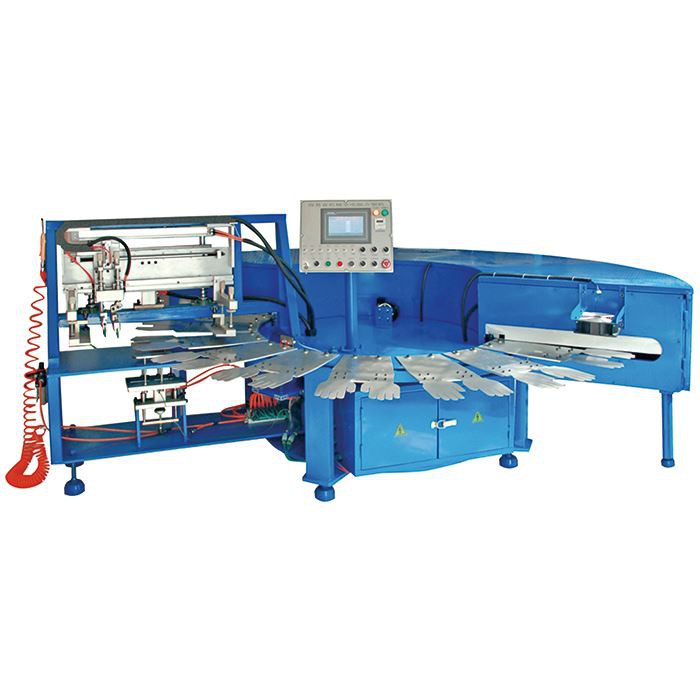
Hey there! As a supplier of Gloves Glue Dotting Machines, I've had my fair share of experiences when it comes to transporting these nifty pieces of equipment. It's not just about moving a machine from point A to point B; there are a bunch of things to consider to make sure it arrives in tip - top shape. So, let's dive into how to transport a Gloves Glue Dotting Machine.
Pre - transport Preparations
First things first, you gotta do a thorough inspection of the machine. Check for any loose parts, and if you find any, make sure to tighten them up. Loose parts can jostle around during transit and cause damage. You don't want to end up with a machine that's all banged up because a screw came loose, right?
Next, clean the machine. Remove any debris, glue residues, or dust. A clean machine is not only easier to handle but also less likely to have parts get clogged during transport. You can use a soft brush and some mild cleaning agents to get the job done.
Now, let's talk about documentation. Gather all the necessary paperwork. This includes the user manual, warranty information, and any certificates related to the machine. These documents should be securely packed in a waterproof envelope and attached to the machine or kept separately but in a safe place during transport. You never know when you might need them, especially if there are any issues during customs clearance or if the buyer has questions about the machine.
Packaging the Machine
Packaging is crucial. You need to protect the machine from all the bumps, shocks, and vibrations it'll encounter on the road or in the air. Start by using a sturdy wooden crate. A wooden crate provides good structural support and can withstand a fair amount of pressure. Make sure the crate is the right size for the machine. It shouldn't be too big, or the machine will move around inside, and it shouldn't be too small, or you'll have trouble fitting it in.
Inside the crate, use plenty of cushioning materials. Foam padding, bubble wrap, and packing peanuts are all great options. Wrap the machine in bubble wrap first, paying special attention to the delicate parts like the dotting nozzles and control panels. Then, place the wrapped machine in the crate and fill the empty spaces with foam padding or packing peanuts. This will absorb any shocks during transit.
If the machine has any detachable parts, like extra nozzles or small tools, remove them and pack them separately. Label the boxes clearly so that it's easy to identify which parts belong to which machine. You can also use plastic bags to keep these small parts organized.
Choosing the Right Transport Method
There are several ways to transport a Gloves Glue Dotting Machine, and the choice depends on a few factors like distance, urgency, and budget.

Road Transport
For short - to medium - distance deliveries, road transport is often a good option. It's relatively flexible, and you can have more control over the delivery schedule. You can hire a professional freight carrier or use your own delivery trucks if you have a fleet. When choosing a freight carrier, make sure they have experience in transporting industrial equipment. Check their reviews and ask for references.
Before loading the machine onto the truck, make sure the truck bed is clean and free of any sharp objects that could damage the crate. Secure the crate firmly using straps or ropes to prevent it from moving during the journey.
Air Transport
If you need to deliver the machine quickly, especially for international shipments, air transport is the way to go. It's fast, and you can get the machine to its destination in a matter of days. However, it's also more expensive than road transport.
When using air transport, you need to follow the airline's regulations regarding packaging and weight limits. Some airlines may have specific requirements for the size and type of crates used. You'll also need to arrange for proper handling at the airports to ensure the machine is loaded and unloaded safely.
Sea Transport
For long - distance international shipments, sea transport is a cost - effective option. It can handle large and heavy machines with ease. But it's also the slowest method, and the transit time can range from weeks to months depending on the destination.
When shipping by sea, you'll need to use a shipping container. Make sure the container is in good condition and has proper ventilation. Secure the crate inside the container to prevent it from shifting during the rough sea journey. You'll also need to deal with customs clearance procedures at both the origin and destination ports.
Insurance
No matter which transport method you choose, it's a good idea to get insurance for the machine. Accidents can happen, and having insurance will give you peace of mind. Talk to your insurance provider about getting coverage for the value of the machine during transit. Make sure to read the policy carefully to understand what's covered and what's not.
Tracking the Shipment
Once the machine is on its way, you'll want to keep an eye on its progress. Most transport companies offer tracking services. You can use the tracking number provided to check the location of the shipment at any time. This way, you can inform your customer about the estimated delivery time and address any concerns they might have.
Unloading and Installation
When the machine arrives at its destination, the unloading process needs to be done carefully. Use proper lifting equipment, like forklifts or cranes, to move the crate from the transport vehicle to the installation site. Make sure the installation site is clean, level, and has all the necessary utilities like power and water connections.
After unloading, open the crate and inspect the machine again for any damage that might have occurred during transport. If you find any issues, document them immediately and contact your insurance provider and the transport company.
Once the machine is inspected and found to be in good condition, it's time for installation. Follow the installation instructions in the user manual carefully. If the customer needs assistance with installation, you can send a technician to the site to help.
Why Our Gloves Glue Dotting Machines are Worth Transporting
Our [Link: Dipping Dotting Machine]( /dotting - machine/gloves - dotting - machine/dipping - dotting - machine.html) offers high - precision dotting, ensuring that the glue is applied exactly where it's needed on the gloves. The [Link: Dotting Machine For Glove]( /dotting - machine/gloves - dotting - machine/dotting - machine - for - glove.html) is designed for efficiency, allowing for a high production rate. And if you're looking for something more creative, our [Link: Multicolor Dotting Machine Glove]( /dotting - machine/gloves - dotting - machine/multicolor - dotting - machine - glove.html) can add a splash of color to your gloves.
If you're in the market for a Gloves Glue Dotting Machine, don't hesitate to reach out. We're here to answer all your questions and make sure you get the right machine for your needs. Whether you're a small business just starting out or a large - scale manufacturer, we've got the perfect solution for you. Contact us today to start the purchasing and transport process!
References
- General knowledge and experience in the field of Gloves Glue Dotting Machine manufacturing and transportation.
- Industry best practices for packaging and transporting industrial equipment.


