


Yarn breakage is a common headache when using a Socks Rotary Forming Machine. As a supplier of these machines, I've seen firsthand how it can slow down production and increase costs. In this blog, I'll share some practical tips on how to prevent yarn breakage and keep your sock - making process running smoothly.
1. Yarn Quality and Preparation
First things first, the quality of the yarn you use matters a great deal. Low - quality yarn is more likely to break during the forming process. It might have weak spots, uneven thickness, or contain impurities. When sourcing yarn, look for a reliable supplier who can provide high - quality products. Check for certifications and ask for samples to test in your machine.

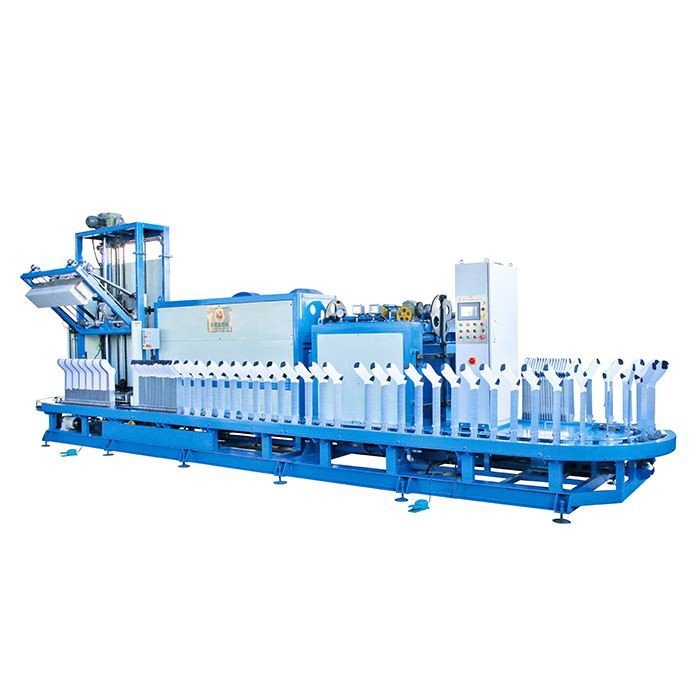
Proper yarn preparation is also crucial. Before loading the yarn onto the machine, make sure it's properly wound. Unevenly wound yarn can cause tension issues, leading to breakage. Use a good quality yarn winder to ensure consistent winding. Also, consider pre - treating the yarn. Some yarns benefit from a gentle conditioning process, like steaming or oiling, which can improve its flexibility and reduce the chances of breakage.
2. Machine Maintenance
A well - maintained Socks Rotary Forming Machine is less likely to cause yarn breakage. Regular cleaning is essential. Dust, lint, and debris can accumulate in the machine over time, especially in the areas where the yarn passes through. This can create friction and snag the yarn, resulting in breakage. Use compressed air or a soft brush to clean the machine regularly, paying special attention to the yarn guides, needles, and feeders.
Lubrication is another key aspect of maintenance. Moving parts in the machine need proper lubrication to function smoothly. Without it, there can be increased friction, which can put extra stress on the yarn. Follow the manufacturer's guidelines for lubrication intervals and use the recommended lubricants. Also, check for any worn - out parts. Parts like needles, yarn guides, and tensioners can wear down over time and need to be replaced. A worn needle might not hold the yarn properly, leading to breakage.
3. Tension Control
Tension control is one of the most important factors in preventing yarn breakage. Incorrect tension can cause the yarn to either be too loose or too tight. If the tension is too loose, the yarn can tangle and break. On the other hand, if it's too tight, the yarn can snap under the stress.
Most Socks Rotary Forming Machines have adjustable tension settings. You need to find the right balance for the type of yarn you're using. Start by referring to the machine's manual for recommended tension settings for different yarns. Then, do some test runs and make small adjustments as needed. You can use a tension meter to measure the actual tension and make more accurate adjustments. Keep in mind that the tension might need to be adjusted during the production process, especially if the yarn spool is running low or if you're changing to a different batch of yarn.
4. Operator Training
Well - trained operators play a vital role in preventing yarn breakage. They need to understand how the machine works, including all the settings related to yarn handling. Provide comprehensive training to your operators on how to load the yarn correctly, adjust the tension, and perform basic maintenance tasks.
Operators should also be trained to recognize the early signs of potential yarn breakage. For example, if they notice the yarn is starting to fray or if there are unusual noises coming from the machine, they should know how to take immediate action. Encourage operators to be proactive in reporting any issues they encounter during the production process.
5. Environmental Factors
The environment in which the Socks Rotary Forming Machine operates can also affect yarn breakage. Temperature and humidity can have a significant impact on the yarn's properties. High humidity can make the yarn more prone to tangling and breakage, while low humidity can make it brittle.
Try to maintain a stable environment in the production area. Use air - conditioning and dehumidifiers to control the temperature and humidity levels. Aim for a temperature range of around 20 - 25 degrees Celsius and a relative humidity of 50 - 60%. This will help keep the yarn in good condition and reduce the chances of breakage.
6. Use of Technology
Modern Socks Rotary Forming Machines come with advanced technology that can help prevent yarn breakage. For example, some machines are equipped with sensors that can detect when the yarn tension is abnormal or when there is a break. These sensors can automatically stop the machine, preventing further damage and reducing downtime.
Consider upgrading your machine if it doesn't have these features. Investing in a more advanced machine might seem expensive at first, but it can save you money in the long run by reducing yarn breakage and increasing productivity. You can check out some of our advanced machines like the Automatic Rotary Sock Setting Machine, Fully Automatic Rotary Sock Setting Machine, and Rotary Steam Forming Machine which are designed to minimize yarn breakage and improve overall performance.
Conclusion
Preventing yarn breakage in a Socks Rotary Forming Machine requires a combination of factors, including using high - quality yarn, proper machine maintenance, accurate tension control, well - trained operators, a stable environment, and the use of advanced technology. By following these tips, you can significantly reduce yarn breakage, increase productivity, and save costs.
If you're facing issues with yarn breakage or are looking to upgrade your Socks Rotary Forming Machine, don't hesitate to get in touch. We're here to help you find the best solutions for your sock - making needs. Whether you need advice on machine maintenance or are interested in our latest machines, we're just a message away. Let's work together to make your sock production more efficient and profitable.
References
- Textile Machinery Handbook: A comprehensive guide on textile machine operation and maintenance.
- Yarn Manufacturing and Quality Control: A book that covers aspects of yarn quality and its impact on textile production.
- Industry reports on Socks Rotary Forming Machine performance and best practices.


