


Maintaining the dotting accuracy of a Cotton Glove Dotting Machine over time is crucial for ensuring high - quality glove production. As a reputable supplier of Cotton Glove Dotting Machines, I understand the significance of this aspect and am here to share some practical strategies to help you achieve long - term dotting precision.
Understanding the Basics of Cotton Glove Dotting Machines
Before delving into maintenance strategies, it's essential to have a basic understanding of how Cotton Glove Dotting Machines work. These machines are designed to apply dots of rubber or other materials onto cotton gloves, enhancing their grip and durability. The dotting process involves precise control of the amount and placement of the material, which is achieved through a combination of mechanical and electrical components.
Regular Cleaning and Lubrication
One of the most fundamental steps in maintaining dotting accuracy is regular cleaning and lubrication. Over time, dust, debris, and residual dotting material can accumulate on the machine's components, affecting its performance.
Cleaning: Start by turning off the machine and unplugging it from the power source. Use a soft, dry cloth to wipe down the exterior of the machine, removing any visible dirt or dust. For the internal components, such as the dotting nozzles and conveyor belts, use a mild cleaning solution recommended by the machine's manufacturer. Gently clean the nozzles to prevent clogs, which can lead to uneven dotting.
Lubrication: Proper lubrication is essential for the smooth operation of moving parts. Refer to the machine's manual to identify the lubrication points and use the appropriate lubricant. Over - lubrication can attract more dirt, so follow the recommended lubrication intervals and amounts carefully.
Calibration Checks
Calibration is a critical process for maintaining dotting accuracy. The machine's settings need to be regularly checked and adjusted to ensure that the dots are applied at the correct size, spacing, and position.
Initial Calibration: When you first install the Cotton Glove Dotting Machine, it's important to perform a thorough calibration. This involves setting the correct pressure, speed, and temperature parameters according to the type of dotting material and glove fabric.
Regular Checks: Over time, factors such as wear and tear, changes in environmental conditions, and variations in the dotting material can affect the calibration. Schedule regular calibration checks, at least once a month or more frequently if the machine is used intensively. Use precision measuring tools to verify the dot size and spacing, and make any necessary adjustments to the machine's settings.
Component Inspection and Replacement
The components of a Cotton Glove Dotting Machine are subject to wear and tear over time. Regular inspection and timely replacement of worn - out parts are essential for maintaining dotting accuracy.
Nozzles: The dotting nozzles are one of the most critical components. Check them regularly for signs of wear, such as corrosion, clogging, or damage. Replace any nozzles that show significant wear to ensure consistent dotting.

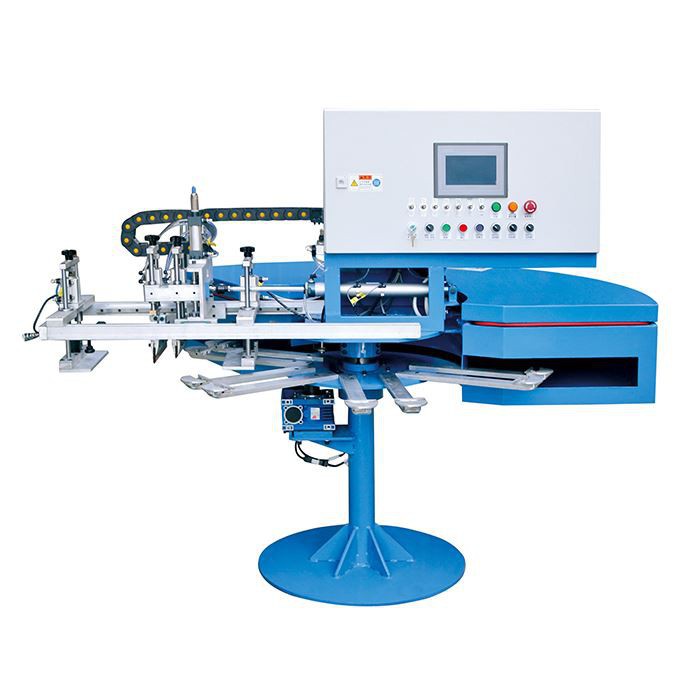
Conveyor Belts: The conveyor belts transport the gloves through the dotting process. Inspect them for signs of stretching, fraying, or misalignment. A damaged conveyor belt can cause the gloves to move unevenly, resulting in inaccurate dotting. Replace the conveyor belts as needed.
Electrical Components: Electrical components, such as sensors and controllers, also play a crucial role in the dotting process. Check for loose connections, damaged wires, or malfunctioning sensors. If any electrical components are faulty, replace them immediately to avoid disruptions in the dotting accuracy.
Environmental Considerations
The environment in which the Cotton Glove Dotting Machine operates can have a significant impact on its performance and dotting accuracy.
Temperature and Humidity: Extreme temperatures and high humidity can affect the viscosity of the dotting material and the operation of the machine's components. Maintain a stable temperature and humidity level in the production area. Consider using air - conditioning or dehumidifiers if necessary.
Dust and Contamination: As mentioned earlier, dust and debris can accumulate on the machine and affect its performance. Keep the production area clean and free from excessive dust. Install air filters if possible to reduce the amount of airborne particles.
Training and Operator Skills
The skills and knowledge of the machine operators also play a vital role in maintaining dotting accuracy.
Proper Training: Provide comprehensive training to the operators on how to use and maintain the Cotton Glove Dotting Machine. They should be familiar with the machine's functions, calibration procedures, and troubleshooting techniques.
Operator Awareness: Encourage operators to be vigilant during the production process. They should be able to detect any signs of abnormal dotting, such as uneven dots or missing dots, and take immediate action. Regularly review the production quality with the operators and provide feedback on their performance.
Using High - Quality Dotting Materials
The quality of the dotting material can significantly affect the dotting accuracy.
Material Compatibility: Ensure that the dotting material is compatible with the machine and the glove fabric. Using the wrong material can lead to clogs, uneven dotting, or poor adhesion.
Consistent Quality: Source high - quality dotting materials from reliable suppliers. Inconsistent material quality can result in variations in dot size and appearance.
Monitoring and Data Analysis
Implement a monitoring system to track the dotting accuracy over time.
Quality Control Checks: Conduct regular quality control checks on the produced gloves. Measure the dot size, spacing, and adhesion strength. Keep records of these measurements to identify any trends or issues.
Data Analysis: Analyze the quality control data to determine if there are any patterns or factors affecting the dotting accuracy. This can help you make informed decisions about maintenance, calibration, or changes in the production process.
Conclusion
Maintaining the dotting accuracy of a Cotton Glove Dotting Machine over time requires a comprehensive approach that includes regular cleaning, calibration, component inspection, environmental control, operator training, and the use of high - quality materials. By following these strategies, you can ensure consistent, high - quality dotting and maximize the efficiency of your glove production.
If you are in the market for a reliable Automatic Dotting Machine, Socks And Gloves Dotting Machine, or Gloves Dipping Dotting Machine, we are here to provide you with top - notch equipment and excellent after - sales service. Contact us to discuss your specific requirements and start a successful partnership in glove production.
References
- Manufacturer's Manuals for Cotton Glove Dotting Machines
- Industry Standards for Glove Production and Quality Control
- Research Papers on Precision Manufacturing and Machine Maintenance


