


Hey there! As a supplier of Gloves Glue Dotting Machines, I often get asked about how to adjust the glue dot size. It's a crucial aspect that can significantly impact the quality and efficiency of glove production. So, let's dive right into it and explore the ins and outs of adjusting the glue dot size on these machines.
Understanding the Basics
First off, it's important to know that the glue dot size is mainly determined by several factors, including the machine settings, the type of glue used, and the characteristics of the gloves. Different glove materials, such as cotton or synthetic fabrics, may require different glue dot sizes for optimal adhesion.

Machine Settings
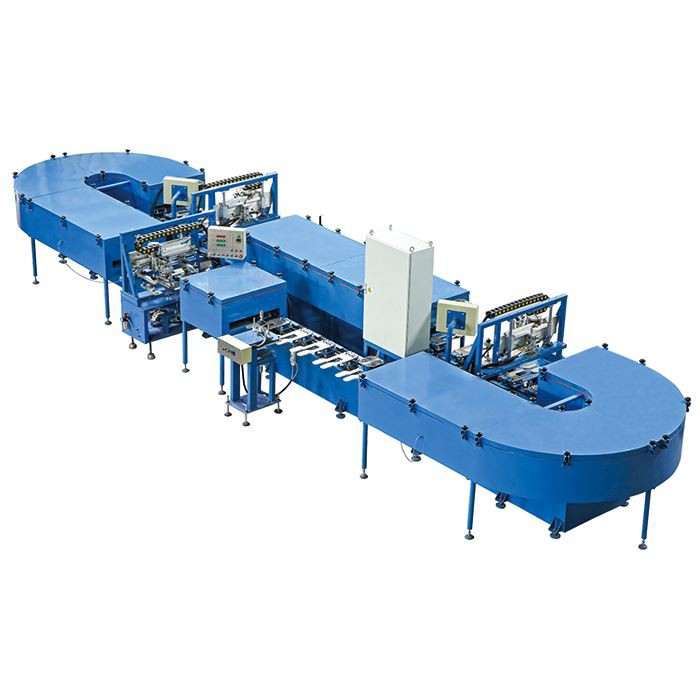
One of the primary ways to adjust the glue dot size is through the machine settings. Most Gloves Glue Dotting Machines come with adjustable parameters that allow you to control the amount of glue dispensed and the size of the dots. Here are some key settings to look out for:
Pressure
The pressure setting on the machine determines the force with which the glue is ejected from the nozzle. Higher pressure generally results in larger glue dots, while lower pressure produces smaller dots. You'll need to find the right balance based on your specific requirements. For example, if you're working with a thin glove material, you may want to use a lower pressure to avoid excessive glue seepage.
Nozzle Size
The size of the nozzle also plays a crucial role in determining the glue dot size. Smaller nozzles will produce smaller dots, while larger nozzles will create larger ones. You can usually swap out the nozzles on your machine to achieve the desired dot size. Keep in mind that different nozzles may be better suited for different types of glue and glove materials.
Speed
The speed at which the machine operates can also affect the glue dot size. Faster speeds may result in smaller dots, as the glue has less time to spread out. Conversely, slower speeds can lead to larger dots. Experiment with different speeds to find the optimal setting for your production process.
Type of Glue
The type of glue you use can have a significant impact on the glue dot size. Different glues have different viscosities, which refers to their thickness and flow properties. Thicker glues tend to produce larger dots, while thinner glues create smaller ones. Here are some common types of glue used in glove production and their characteristics:
Hot Melt Glue
Hot melt glue is a popular choice for glove dotting due to its fast drying time and strong adhesion. It has a relatively high viscosity, which means it can produce larger glue dots. However, you can adjust the dot size by controlling the temperature of the glue. Higher temperatures will make the glue thinner and result in smaller dots, while lower temperatures will make it thicker and create larger dots.
Water-Based Glue
Water-based glue is another option for glove dotting. It has a lower viscosity than hot melt glue, which means it can produce smaller dots. Water-based glue is also more environmentally friendly and easier to clean up. However, it may require longer drying times and may not be as strong as hot melt glue.
Glove Material
The type of glove material you're working with can also influence the glue dot size. Different materials have different surface textures and absorbencies, which can affect how the glue spreads and adheres. Here are some common glove materials and their considerations:
Cotton Gloves
Cotton gloves are a popular choice for many applications due to their comfort and breathability. They have a relatively porous surface, which means they can absorb more glue. As a result, you may need to use larger glue dots to ensure proper adhesion. Check out our Cotton Glove Dotting Machine for specialized solutions for cotton gloves.
Synthetic Gloves
Synthetic gloves, such as those made from nylon or polyester, have a smoother surface than cotton gloves. They are less absorbent, so you may be able to use smaller glue dots. However, you'll need to ensure that the glue has good adhesion to the synthetic material. Our Single Color Gloves Dotting Machine can be adjusted to handle synthetic gloves effectively.
Step-by-Step Guide to Adjusting Glue Dot Size
Now that you understand the key factors that affect glue dot size, here's a step-by-step guide to help you make the necessary adjustments:
- Prepare Your Machine: Make sure your Gloves Glue Dotting Machine is clean and in good working condition. Check the nozzle for any clogs or blockages and replace it if necessary.
- Select the Right Glue: Choose the appropriate type of glue for your glove material and application. Consider factors such as viscosity, drying time, and adhesion strength.
- Set the Machine Parameters: Start by adjusting the pressure, nozzle size, and speed settings on your machine. Begin with the recommended settings and make small adjustments as needed.
- Test the Glue Dots: Take a sample glove and run it through the machine to test the glue dots. Check the size, shape, and adhesion of the dots. If the dots are too large or too small, make further adjustments to the machine settings.
- Fine-Tune the Settings: Continue testing and adjusting the machine settings until you achieve the desired glue dot size and quality. Keep in mind that it may take some trial and error to find the optimal settings for your specific requirements.
Troubleshooting
Even with the best settings, you may encounter some issues with the glue dot size. Here are some common problems and their solutions:
Dots Too Large
- Check the Pressure: If the dots are too large, try reducing the pressure setting on the machine.
- Change the Nozzle: Consider using a smaller nozzle to reduce the dot size.
- Increase the Speed: Faster speeds can help to reduce the dot size.
Dots Too Small
- Increase the Pressure: If the dots are too small, try increasing the pressure setting on the machine.
- Change the Nozzle: Use a larger nozzle to increase the dot size.
- Decrease the Speed: Slower speeds can allow the glue to spread out more, resulting in larger dots.
Inconsistent Dot Size
- Check for Clogs: Make sure the nozzle is clean and free of any clogs or blockages.
- Adjust the Glue Flow: Ensure that the glue is flowing smoothly through the machine. You may need to adjust the temperature or viscosity of the glue.
- Calibrate the Machine: If the dot size is still inconsistent, you may need to calibrate the machine to ensure accurate settings.
Conclusion
Adjusting the glue dot size on a Gloves Glue Dotting Machine is a critical step in achieving high-quality glove production. By understanding the key factors that affect glue dot size, such as machine settings, type of glue, and glove material, you can make the necessary adjustments to meet your specific requirements. Remember to test and fine-tune the settings to ensure optimal results.
If you're in the market for a Gloves Glue Dotting Machine or need further assistance with adjusting the glue dot size, feel free to reach out to us. We're here to help you find the right solution for your glove production needs. Check out our Rotary Automatic Glove Socks Dotting Machine for advanced and efficient glove dotting solutions.
References
- "Glue Application Techniques for Glove Manufacturing" - Industry Research Report
- "Optimizing Glue Dot Size in Glove Production" - Journal of Textile Engineering


