


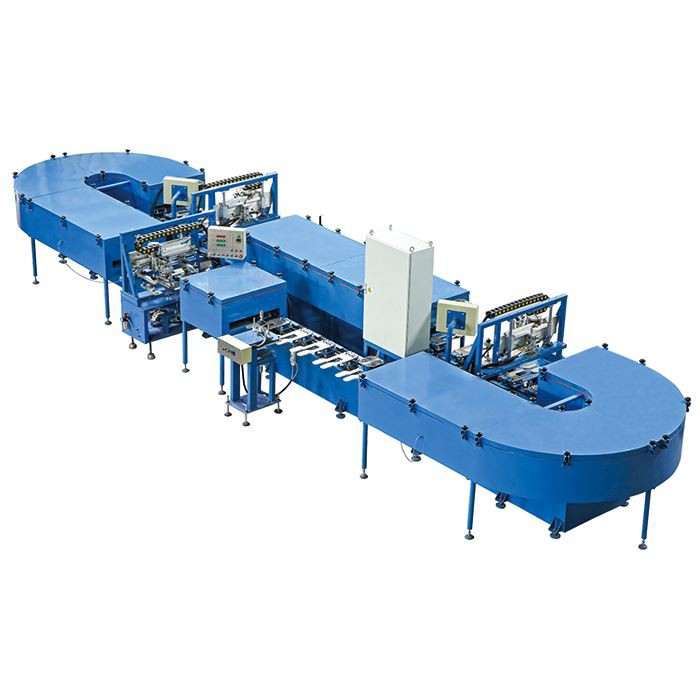
As a supplier of Cotton Glove Dotting Machines, I understand the importance of adjusting the dotting frequency to meet various production requirements. In this blog post, I will share some insights on how to adjust the dotting frequency of a Cotton Glove Dotting Machine effectively.

Understanding the Basics of Dotting Frequency
Dotting frequency refers to the number of dots applied per unit of time or per specific length on the cotton gloves. It plays a crucial role in determining the quality, appearance, and functionality of the dotted gloves. A higher dotting frequency may result in a more dense and uniform pattern, which can enhance the anti - slip performance of the gloves. On the other hand, a lower dotting frequency can be used for less demanding applications or to save materials.
Factors Affecting Dotting Frequency
Before adjusting the dotting frequency, it is essential to understand the factors that can influence it.
- Machine Type: Different models of Cotton Glove Dotting Machines have different capabilities and limitations in terms of dotting frequency. For example, the Single Color Gloves Dotting Machine may have a different maximum and minimum dotting frequency range compared to other types.
- Gloves Material: The type and thickness of the cotton gloves can also affect the dotting frequency. Thicker gloves may require a lower dotting frequency to ensure proper adhesion of the dots, while thinner gloves can tolerate a higher frequency.
- Dotting Material: The viscosity and properties of the dotting material, such as glue or rubber, can impact the dotting frequency. More viscous materials may need a slower dotting frequency to form well - defined dots.
Steps to Adjust the Dotting Frequency
- Refer to the Machine Manual: The first step is to consult the user manual of your Cotton Glove Dotting Machine. The manual will provide specific instructions on how to access the dotting frequency adjustment settings. It will also give you the recommended frequency range for different types of gloves and dotting materials.
- Power On and Warm - up: Before making any adjustments, turn on the machine and allow it to warm up for a few minutes. This ensures that all components are operating at their optimal temperature and performance.
- Locate the Frequency Adjustment Control: On most machines, there is a control panel or a set of buttons dedicated to adjusting the dotting frequency. It may be labeled as "Dotting Frequency", "Speed", or something similar.
- Make Small Adjustments: Start by making small incremental adjustments to the dotting frequency. Increase or decrease the frequency by a small amount and test the machine on a sample glove. Observe the dot pattern, the adhesion of the dots, and the overall appearance of the dotted glove.
- Test and Evaluate: After each adjustment, run a short test on a sample glove. Check if the dots are evenly spaced, well - formed, and properly adhered to the glove. If the dots are too close together or overlapping, the frequency may be too high. If the dots are too far apart, the frequency is likely too low.
- Fine - Tuning: Based on the test results, continue to make fine - tuning adjustments until you achieve the desired dotting frequency. It may take several iterations to get the perfect settings.
Tips for Optimal Dotting Frequency Adjustment
- Maintain Consistency: Once you have found the optimal dotting frequency for a particular type of glove and dotting material, make a note of the settings. This helps maintain consistency in your production process and ensures that all gloves have a uniform dot pattern.
- Regular Maintenance: Keep your Cotton Glove Dotting Machine well - maintained. Clean the dotting nozzles regularly to prevent clogging, which can affect the dotting frequency and the quality of the dots.
- Monitor the Production Process: Continuously monitor the production process to ensure that the dotting frequency remains stable. Any changes in the machine's performance, such as a decrease in pressure or a change in the dotting material's properties, may require you to readjust the frequency.
Impact of Incorrect Dotting Frequency
Using an incorrect dotting frequency can have several negative impacts on the quality of the dotted gloves.
- Poor Anti - Slip Performance: If the dotting frequency is too low, the gloves may not have enough dots to provide adequate anti - slip functionality. This can be a safety hazard, especially in industries where workers need to handle slippery objects.
- Material Waste: A too - high dotting frequency can lead to excessive use of the dotting material, resulting in increased production costs and potential waste.
- Uneven Appearance: Incorrect dotting frequency can cause an uneven dot pattern on the gloves, which affects the overall appearance and marketability of the product.
Case Studies
Let's look at a couple of case studies to illustrate the importance of adjusting the dotting frequency correctly.
Case Study 1: A Manufacturing Company
A manufacturing company was using the Anti Slip Gloves Dotting Machine to produce anti - slip gloves for the construction industry. Initially, they set the dotting frequency too high, resulting in overlapping dots and excessive use of the dotting material. After consulting with our technical support team, they adjusted the frequency to a lower level. This not only reduced material waste but also improved the anti - slip performance of the gloves, leading to increased customer satisfaction.
Case Study 2: A Small - Scale Producer
A small - scale producer was using a Gloves Glue Dotting Machine to make customized cotton gloves. They found that the dots were not adhering well to the gloves, and the pattern was uneven. By carefully adjusting the dotting frequency and taking into account the thickness of the gloves and the viscosity of the glue, they were able to achieve a high - quality dot pattern and improve the overall product quality.
Conclusion
Adjusting the dotting frequency of a Cotton Glove Dotting Machine is a crucial process that requires careful consideration of various factors. By following the steps and tips outlined in this blog post, you can ensure that your machine is operating at its optimal performance and producing high - quality dotted gloves.
If you are interested in purchasing a Cotton Glove Dotting Machine or need further assistance with adjusting the dotting frequency, please feel free to contact us. Our team of experts is ready to help you with your specific requirements and ensure that you get the best results from your production process.
References
- Manufacturer's manuals of Cotton Glove Dotting Machines
- Industry research on glove manufacturing and dotting technology


