


In the realm of textile manufacturing and home - ware production, the question of whether a knitting dotting machine can be used for knitting dishcloths is an intriguing one. As a supplier of knitting dotting machines, I am often faced with inquiries regarding the versatility of our equipment, and this particular query has gained significant traction in recent times.
Understanding the Knitting Dotting Machine
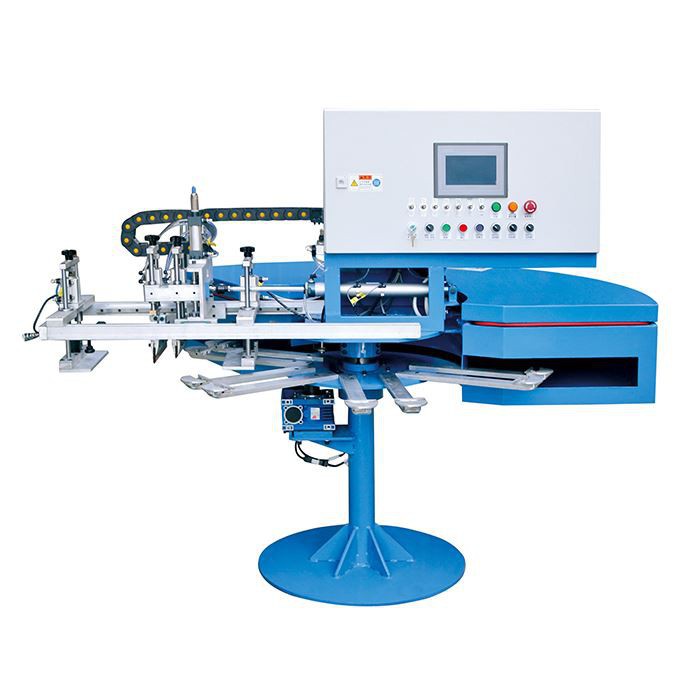
Before delving into the possibility of using a knitting dotting machine for dishcloths, let's first understand what a knitting dotting machine is. A knitting dotting machine is a specialized piece of equipment primarily designed for applying dots of various materials, such as glue or other bonding agents, onto knitted fabrics. These machines are highly precise and can create uniform dots in a repetitive pattern, which is useful for a variety of applications. For example, they are commonly used in the production of gloves and socks.
The Gloves Glue Dotting Machine is a type of knitting dotting machine that excels in applying glue dots to gloves. This is often done to enhance the grip of the gloves, making them suitable for industrial or sports use. The glue dots provide a non - slip surface, improving the user's ability to hold objects firmly.
Similarly, the Cotton Socks Dotting Machine is tailored to the production of cotton socks. It can apply dots that serve different purposes, such as adding decorative elements or improving the elasticity of the socks in specific areas. Another variant, the Socks And Gloves Dotting Machine, is more versatile, capable of handling both socks and gloves, expanding its scope of application in the textile industry.
Properties Required for Dishcloths
Dishcloths have specific requirements that make them suitable for cleaning dishes and the kitchen. Firstly, they need to be absorbent. This allows them to soak up water and cleaning solutions effectively, making the cleaning process more efficient. Secondly, dishcloths should be durable. They will be subjected to frequent use, washing, and wringing, so they need to withstand these rigors without falling apart. Thirdly, the texture of a dishcloth is crucial. A good dishcloth should have a slightly rough texture to help scrub away stubborn dirt and stains.
Can a Knitting Dotting Machine Meet the Requirements?
Absorbency
When it comes to absorbency, a knitting dotting machine can play a role in achieving the desired effect. While the dotting process itself does not directly increase absorbency, it can be used in combination with certain materials to enhance it. For instance, if we use a hydrophilic material for the knitting and then apply dots of a substance that allows for better water flow and retention, the overall absorbency of the dishcloth can be improved. Some bonding agents used in the dotting process can create small channels or spaces within the fabric, which can trap water and increase absorbency.
Durability
In terms of durability, knitting dotting machines can contribute significantly. The dots applied by the machine can act as reinforcement points in the fabric. This is especially true when a strong bonding agent is used. The dots help distribute stress evenly across the fabric, preventing it from tearing easily during regular use. Moreover, if the machine is used to apply dots in a pattern that forms a kind of cross - linking structure within the fabric, it can enhance the overall strength of the dishcloth.
Texture
Regarding texture, a knitting dotting machine can offer different possibilities. By adjusting the size, shape, and distribution of the dots, we can create a wide range of textures on the dishcloth. Larger dots can create a more pronounced, rough texture, which is ideal for scrubbing. Smaller dots, on the other hand, can give the dishcloth a slightly pebbled texture that can still aid in cleaning without being too abrasive.
The Process of Making Dishcloths with a Knitting Dotting Machine
The first step is to select the appropriate knitting material. Cotton is a popular choice for dishcloths due to its high absorbency and natural feel. Once the fabric is knitted, it is fed into the knitting dotting machine. The machine operator then programs the machine to apply the dots in the desired pattern, size, and density.
The type of dotting material also needs to be carefully chosen. For dishcloths, a non - toxic and food - safe bonding agent should be used, especially if the dishcloth will come into contact with food. After the dotting process is complete, the dishcloth may need to undergo some post - processing steps, such as washing to remove any excess dotting material and to ensure the fabric is soft and comfortable to use.

Advantages of Using a Knitting Dotting Machine for Dishcloths
One of the main advantages is the ability to create unique and customized dishcloths. The dotting pattern can be adjusted according to the customer's preferences, whether it's for decorative purposes or to enhance the cleaning performance. This allows for a high degree of product differentiation in the market.
Another advantage is the efficiency of production. Knitting dotting machines are automated and can produce dishcloths at a relatively high speed compared to manual methods. This means that large quantities of dishcloths can be manufactured in a short period, meeting the demands of both small - scale and large - scale retailers.
Challenges and Considerations
However, there are also some challenges and considerations when using a knitting dotting machine for dishcloths. One of the main challenges is the cost of the machine and the dotting materials. High - quality knitting dotting machines can be expensive to purchase, and the cost of the bonding agents used for dotting can add up, especially if large quantities are required.
Another consideration is the learning curve associated with operating the machine. It takes time and training for operators to master the programming and operation of the knitting dotting machine to achieve the best results. Additionally, maintenance of the machine is crucial to ensure its long - term performance and reliability.
Conclusion
In conclusion, a knitting dotting machine can indeed be used for knitting dishcloths. It offers the potential to create dishcloths that are absorbent, durable, and have the right texture for effective cleaning. While there are challenges and costs associated with using this technology, the benefits of customization, efficiency, and product differentiation make it a viable option for manufacturers in the dishcloth industry.
If you are interested in exploring the possibilities of using a knitting dotting machine for your dishcloth production or other textile applications, please feel free to contact us for more information and to discuss your specific requirements. Our team of experts is ready to assist you in finding the best solution for your business needs.
References
- Textile Manufacturing Handbook: A comprehensive guide on textile manufacturing processes and equipment.
- Journal of Textile Science and Technology: Research articles on the latest advancements in textile technology, including knitting and dotting machines.


